The STL Pre-K Cooperative is an innovative partnership between early childhood education providers and K-12 public schools.
3 Pillars of Program Quality Improvement
The Cooperative’s approach to boosting program quality is built on three pillars:
Normed assessments: All partners administer the Pre-K Observation Form (PKOF) and Kindergarten Observation Form (KOF) to measure student growth toward Kindergarten readiness and the Classroom Assessment Scoring System (CLASS) to evaluate the quality of student/teacher interactions
Bi-weekly coaching: Early childhood program leaders and teachers receive ongoing coaching from veteran educators and experts in their field.
Ongoing professional development: All partners are invited to attend best-in-class professional development sessions offered throughout the school year on topics such as developmentally appropriate best practices, using data to inform instruction, classroom management, engaging families, and teacher self-care
Education Partners
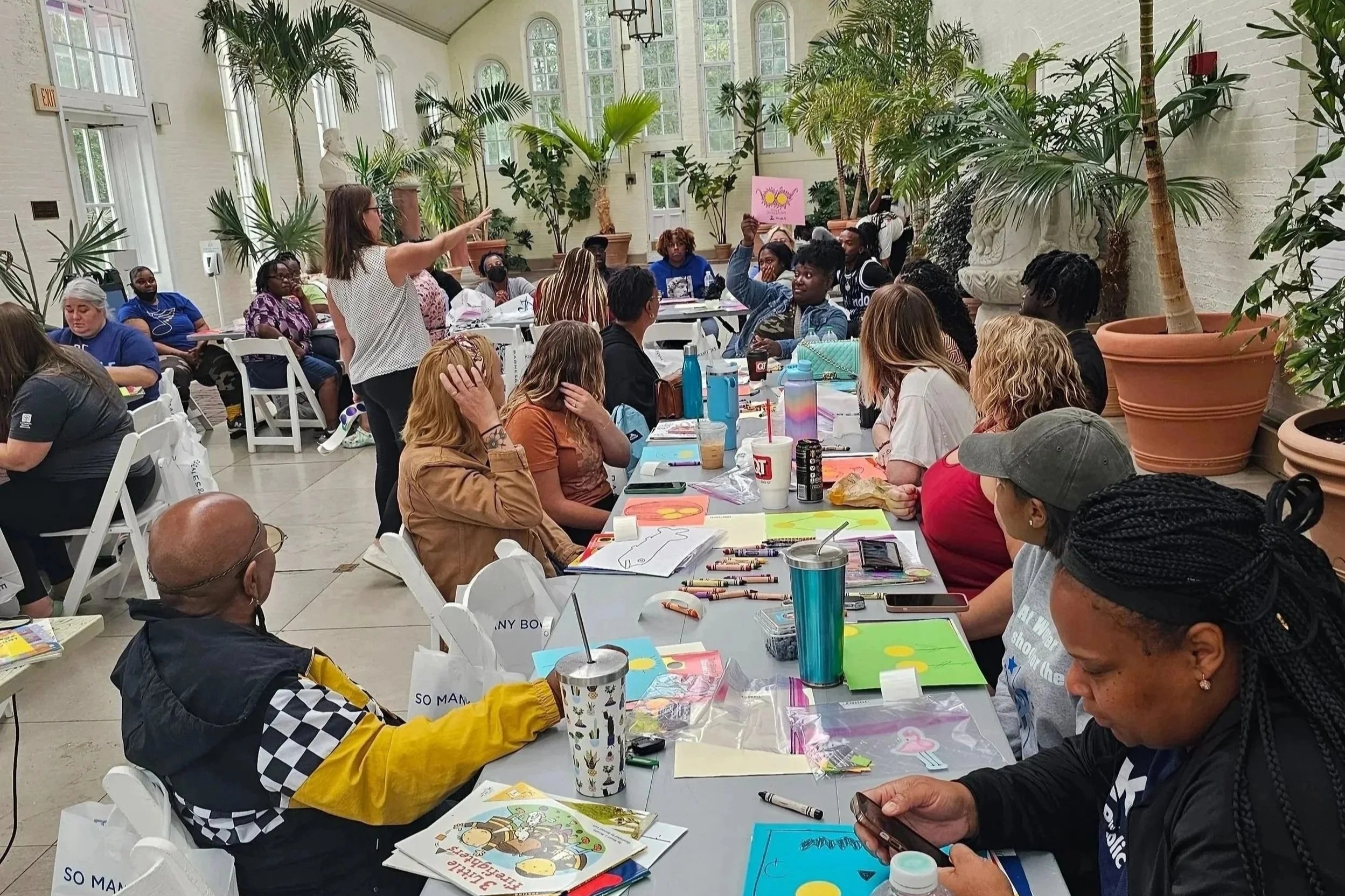
The STL Pre-K Cooperative education partners represent all facets of the early childhood ecosystem and K-12 public education.
Early education program partners join the Cooperative at one of three levels of engagement:
Tier I partners tap into shared Cooperative resources – such as educator credentialing, curriculum implementation, and data-driven instruction – on their pathway to continuously grow program quality.
Tier II partners take advantage of Tier I resources and also commit to increasing program quality by obtaining Missouri Accreditation with support from the Cooperative.
Tier III partners have earned Missouri Accreditation - a mark of program quality - and participate in the Cooperative’s full instructional support program.
Head Start partners leverage the Cooperative’s assessment resources and share their program data, contributing to the Cooperative’s city-wide effort to raise the bar on Kindergarten readiness.
School district partners build continuity between the early childhood and K-12 landscapes as they collaborate with early education partners, engage with Cooperative program quality resources, and access state formula pre-K funding for income eligible families to grow access to high-quality pre-K education.